Welcome

Welcome to Chinese Medicine Bristol's official blog! Here, Acupuncture and TCM pracitioner Sandra Arbelaez will share information about Acupuncture and Chinese Herbal Medicine, how they work, and the latest research and developments related to TCM. You will also find knowledge and ideas on how to enjoy a full, healthy life that she has picked up over the course of 15 years of exploring the world of natural health
Showing posts with label Conditions and Ailments. Show all posts

Friday, 3 September 2021

Giving acupuncture to refugees in Lesvos


I have just spent over 3 weeks in the Greek island of Lesvos, offering acupuncture treatments to refugees. I wanted to do this for a long time and had planned to go in the Spring 2020. The pandemic changed my plans, and when the Moria refugee camp got destroyed in a fire last September, I donated most of the funds I had collected for my trip to help refugees who had to sleep rough and had no access to food or medicines during this time. I started fundraising for my trip again this year and finally managed to get enough money to cover my flight and my stay for a few weeks.

Me and the wonderful Earth Medicine team
I arrived in Lesvos very early on Wednesday 4th August , left my bag, had a shower and went straight to work. Earth Medicine, my host organisation, has premises in the centre of the island’s capital Mytilene. I was taken there and introduced to the team of helpers – also refugees and asylum seekers-, and to those who had early morning appointments.  Everything was different from what I had imagined. I had planned to conduct a pilot study using a scalp and body acupuncture protocol for PTSD, alongside giving one to one treatments. To carry out this plan, I needed a large space in which I could offer separate group treatments to men and women and I needed 10-20 women and men ready to receive 10 daily treatments exclusively for PTSD and nothing else. I imagined the space would be easily found in the actual refugee camp.

As it happened, the Kare Tepe camp where Earth Medicine was previously based, had recently been shut down without warning and none of the organisations that had been offering services within that camp for years were given a space in the larger camp – which people call Moria 2.0. I visited the camp a few times and found it desolate and the conditions inhumane. There is blatant disregard to human rights here. There are many elderly and disabled people and small children living here in containers and tents in 40o heat, with no running water, on a ground that is made of dust and gravel and which is difficult to negotiate even when you are able-bodied. The toilets are dirty and all of them seem to be up a hill, the camp is next to the sea which rather than an asset is a risk for children and a source of freezing cold gusts in winter; and there is a stinky canal running alongside people’s tents. In here, there are no communal spaces at all, no school, no playground, basically nowhere to feel human again and definitely no place where I could have given the group acupuncture treatments.

Camp Moria 2.0
At the time of my arrival, new local coronavirus restrictions had been imposed on the refugees and they were not allowed to leave the camp after midday. In addition to this, I soon realised that even though every single person living there has experienced trauma and PTSD symptoms, their priorities were not necessarily treating their trauma symptoms but their physical pain, their digestive problems, and their neurological issues. So, I had to let go of my needs and try my best to help people with theirs. I adapted well to the heat  -which I didn't expect!- and to working in an environment that required me to be flexible both physically and mentally.

I spent my first three days breaking the ice talking to people, listening to their stories, and giving some treatments. Most people where surprised to be offered needles as treatment and the translators were working hard to help me explain the benefits. Fortunately, Earth medicine had already printed out some information about acupuncture in Farsi and Arabic so I wasn’t starting from zero. In many cases, I negotiated putting one needle in and only use more if there was no discomfort. Everyone who tried it became a convert and, as the weeks went by, there were more and more people coming from the camp asking to receive acupuncture as they had heard how good it was from someone who had benefited from treatment. I decided not to receive anyone new in the last week so that I would have time to get some completion with the people I was already treating. Many people received daily treatments to begin with but as they felt better, we were able to spread out their sessions. In the three weeks I was there, I gave a total of 145 treatments to 35 people.


These are the main issues I treated:


  • Lower back pain – mostly in young men and older women- usually caused by hard work and cold. Many young men I met had been victims of slavery and exploitation in Iran, Turkey, and Greece, made to work long hours on building sites and factories for hardly any pay. There were some victims of torture too experiencing a variety of painful conditions.
  • Shoulder and neck pain- mostly in young women – usually caused by stress and in many cases by having worked for years as slaves in Iranian sweatshops
  • Neurological symptoms – motor and sensory impairment in some cases due to diabetes, in others from injuries, and one from stroke.
  • Anxiety and insomnia- typical PTSD symptoms caused by the lived traumas of war/violence/loss, this is exacerbated by sleeping in a tent and feeling totally vulnerable at night and by the uncertainty and the difficulty of the asylum process people have to go through
  • Digestive problems- abdominal pain, lack of appetite, and constipation were the most common


Treatments were very successful and in 90% of cases there was great improvement in the symptoms.  The greatest success was in pain levels and we saw faces changing from the typical chronic pain frown to smiley within a couple of days and mobility becoming increasingly easier with more treatments. Anxiety and insomnia also responded very well, greatly relieved with scalp acupuncture lines.

Some happy pain-free faces!

There were two neurological cases that needed a lot more treatment and a lot more attention than others and which made it very hard for me to leave. Treating neurological conditions is one of my passions and I have seen how scalp and body acupuncture can make a difference to people over a period of time. One of them was a 61-year-old woman from Afghanistan who had a stroke before fleeing her country and was carried by her son the whole way across the different countries until they got to Lesvos. Apart from the stroke, she was in complete shock. She responded well to treatment and became increasingly alert and present. As well as treatment, she needed a lot of attention and kindness which she will continue to receive in the Earth Medicine clinic.

The other case was this 33-year-old man:

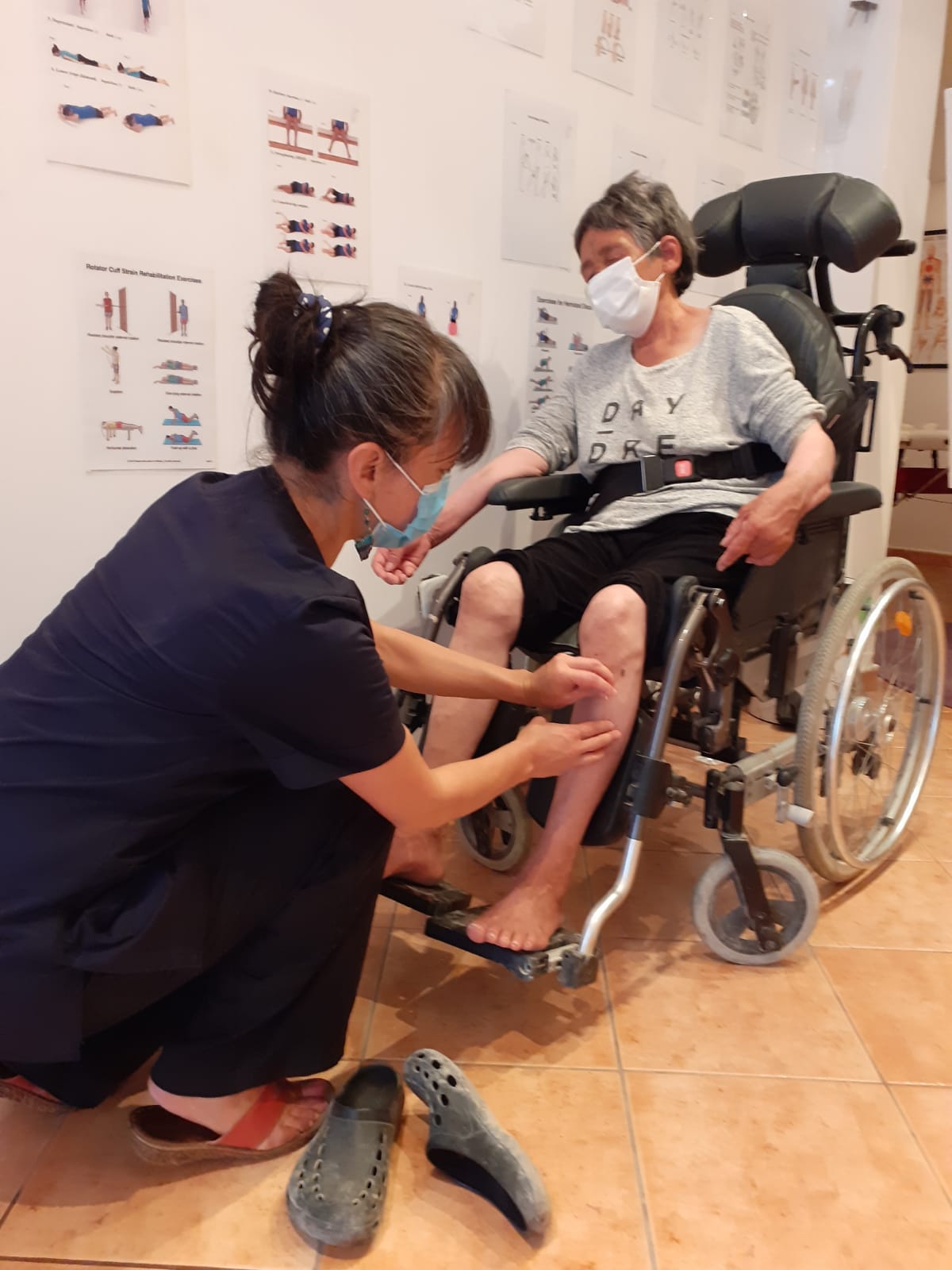
Mr K, from Syria. Back in 2013, he worked for the Syrian government. When he refused to collaborate in the war, his house was bombed with him inside. The roof fell on his head and he had an injury that rendered him unable to use his R arm and both his legs. He lost the ability to speak too. Mr K had to flee his country in this condition with his wife or they would have been killed. He has lived in Lesvos for several years and has been coming to Earth medicine for massage and physio exercises every day for over a year. His cousin comes with him every time to help him with his exercises.

 His hard work has helped him recover his speech and he can now transfer and give steps on the remedial parallel bars, with help. When I arrived, his movements were very forceful and disorganised, he would tense his whole face and body to move one limb.

I started giving him scalp and body acupuncture from my second day in Lesvos. I used the motor lines and the foot sensory and motor lines on the scalp; and treated the Shaoyang and Yangming channels on the R arm and both legs. After 5 treatments, we started to do exercises with the legs and arm while still having the scalp needles in. As the days went, these exercises became easier and he started to disassociate the movement of his toes, feet, knees, and even his fingers. At this point, we started walking on the bars with the scalp needles, really focusing on sending the messages to the right part of the body to be moved before attempting the actual movement. We were all watching him every day and saw how his movement became much more controlled each day. He was very happy with his progress and so was I!! I gave him instructions to massage the motor and foot lines on the scalp and to continue working in the way we were doing. I am hoping that he will continue getting better. Mr K has a wife and two small children, they all live in the refugee camp and face the difficulties that this involves every day. According to different human rights conventions, vulnerable people with disabilities need to be prioritised for asylum. Nevertheless, this family has been refused asylum 3 times by the Greek government. This is a massive source of stress that curtails Mr K’s progress as well as making you think, what is happening to our humanity?


I am planning on returning to Lesvos before the end of this year so I will start fundraising again in the next week or so. I would also like to invite other acupuncturists to volunteer in the New Year. Earth Medicine will be delighted to host more volunteers and I have been asked by them to interview potential candidates. If you are interested, please contact me directly.

I thank everyone who helped me get to Lesvos this summer, the material and moral support were overwhelming. Also, much gratitude to Balance UK and Phoenix Ltd who kindly donated needles and moxa. I have a lot of needles left in Lesvos awaiting my return so thank you so much for enabling me to help so many people!!


With love and in hope for a better world for all,


Sandra


If you would like to find out more about Earth Medicine's work, or support them with a donation visit their page here
If you would like to donate so I can return to Lesvos to give acupuncture to refugees before the end of the year please visit my fundraising page here 


Wednesday, 18 March 2020

Life in the time of an epidemic


Many of us followed in horror what was happening in China a few weeks ago, when the new Coronavirus came into our lives. So many people in critical condition, so many isolated far from their families not knowing how long it would last, so many deaths in a short space of time! Since then, we have followed its steady approach towards us, leaving behind closed borders, collapsed health systems, and several thousand people dead. We have seen how in countries where the news of the epidemic wasn’t taken seriously the spread has been scarily fast and devastating, yet we have been told to keep cool as cucumbers and only do what feels “right” to us.

Let’s put other people first                   


Since we have no real guidance or have been given a plan, it has so far been left to each of us to think about the best choices to make. When confronted with infectious diseases, like this one, we are very much at the mercy of what happens in the community. This is why actually thinking about others before we think about ourselves, is an important step to reduce risk of infection for all.

You may wonder how this could be so. Well, if you have seen any of the graphs or charts with the numbers of cases and deaths that are occurring worldwide, you may have noticed that the number of deaths and the length of time the upheaval lasts are directly proportional to the number of infected people. This means that the risk to each of us and the disruption caused by what we are living will be cut short if we behave in a manner that minimises the spread of the virus.

Because, as we have seen, the new coronavirus is highly contagious, minimising its spread really means minimising contact with other people.  So, if possible, STAY HOME for the time being. Some people find this a pain, but we must understand that if we don’t do this NOW we will be forced to do it under much more difficult circumstances later.

Other than this, thinking of others also means that those people we know who are by themselves or who are part of the high risk group – the elderly, people of all ages with pre-existing immune or respiratory conditions- should be in our list of people to contact regularly to check for their safety and wellbeing. These are times for us to come out of our own little worlds and see how much we actually need each other.

Another way in which just thinking about ourselves doesn’t work in this situation, is how we buy our goods. As it has been pointed out in recent days, buying all the hand sanitiser from the shelves will not protect us if nobody else is able to wash their own hands!

Obviously, if we are not able to stay home right now, we need to be extremely careful and avoid any unnecessary contact with anyone. Every time you touch any surface outside your home, or money, please wash your hands. And if you have any symptoms please be outward about it, stay home and tell your close ones about it. We very much depend on each other right now.


 Strengthening our immunity

Our immune systems are constantly challenged not only by illnesses but also by stress, pollution, eating unhealthily, difficult relationships, and loss, just to name a few things. Because of this, most of us have immune systems that could do with a boost especially in times like this. These are a few things necessary to enhance your immunity:


Meditation helps our immunity
1. Meditation and relaxation techniques: As we know, stress and anxiety impair our immune system so, counteracting stress with meditation and relaxation techniques will have the positive side-effect of increasing immunity. There are many ways to meditate, since we are dealing with a respiratory epidemic, I would recommend you explore breathing meditations.

Qi gong exercises are also meditative, as well as involving organised movement that helps the body stay supple and increases oxygenation, which makes it a great thing to explore if we are stuck at home.

As for relaxation, my favourite relaxation exercise is the “body scan” which basically consists of lying flat on the floor and visiting each part of the body, breathing "into" it and relaxing it, until we cover the whole body. In yoga, this is Savasana and it’s what we usually do at the end of the practice.

2. Movement: Exercising without pushing ourselves too hard will help us at this time to oxygenate the body and clear out toxicity. Exercising too hard or too long can, on the other hand, be detrimental to our immune systems.  

If we choose to exercise outside, we should obviously avoid contact with others and maintain our distance from all people in case either they or us are carriers of the virus.

3. Nourishment: This is central to the strength of our bodies and of our immunity. It is ideal to eat freshly cooked meals containing plenty of nutrient-rich vegetables, wholemeal grains, and good quality protein. To enhance our immunity we also need to not burden ourselves with chemicals and additives that can be harmful to the body so avoiding processed foods, sugary foods, pre-made meals and fizzy drinks is a very important issue. For more on this you can read my posts on what real food is, and on understanding a healthy diet

4. Hydration: As we know, water makes up a high percentage of the cells in the body and, if we are dehydrated, we may be more susceptible to certain diseases and definitely our immunity won’t be at its best. Hydration doesn’t only means consuming enough fluids but also not consuming things that push water out of the body through the urine. Coffee, tea, colas, alcohol and all caffeinated drinks all have this effect and are best avoided if we want to stay hydrated.

Over-sweating is also a way to lose body fluids that are needed for deep lubrication and to keep the organs functioning optimally

The best way to hydrate is to drink warm water and herbal teas, at least 4-6 cups per day. Home-made soups and broths and plenty of fresh vegetables can also provide us our cells with some fluids.

5. Sleep: Studies have shown that chronic sleep deprivation has a negative impact on the immune system. Consistent late nights and early starts and having sleep difficulties not only leave us depleted, and often too tired to function properly in our daily lives, but can also diminish our ability to fight disease. Because many people experience disturbed sleep because of their stress and anxiety levels, meditation and relaxation practices may help deal with this.

Adopting good nighttime habits, such as having time off screens before going to bed and not going to bed past midnight, will greatly contribute to us having good physical, immune, and mental energy. These habits may be harder to follow if we are working from home, in quarantine or lockdown, but this may be a time when we most need them.

6. Air: Our bodies cannot survive long without oxygen. In Chinese medicine, air is a necessary ingredient for the making of vital energy or Qi. In the cycle of Qi production, the Lungs extract nourishment from the Air and this nourishment gets combined with that extracted from the food and drink by the digestive system. This results in Zong Qi – chest Qi – which fuels the functioning of the Heart and Lungs and which gets further refinement to become the particular type of Qi that will provide strength to all organs and protect us from disease – our immunity.

Deep breathing exercises are important for our general health and particularly relevant now because they can help clear mucus and strengthen Lung function which will be useful against a virus that attacks the respiratory system. For more on this, visit my post on conscious breathing 


Preparing the body for the Coronavirus


As we have been told, this particular virus starts with a fever and a dry cough. It directly goes to the airways and relatively quickly goes into the Lungs. Everything that we can do to strengthen our immunity and Lung energy mentioned above could help us minimise the damage. 

 According to observations made by Chinese medicine doctors working in the front line at Wuhan, and kindly shared with me and other practitioners by my teacher in China, in the average person – excluding those people in the higher risk group-  the infection is more severe in the presence of internal Dampness. This basically means that if we have an internal accumulation of fluid, mucus, and/or phlegm, we could have a more difficult time if we get infected. 

This is useful to know as there are specific foods that increase the mucus and phlegm in our bodies, which we could start avoiding right now in order to prepare our body for battle. The main foods to avoid are the following:

  • Milk and all milk derivatives (plant-based milks are ok)
  • Wheat products- all types of bread, biscuits, pasta
  • Refined sugar
  • Greasy, heavy, and rich food
  • Alcohol
  • All processed foods- pre-prepared meals, reconstituted meats, tinned and instant meals
  • Chilled drinks and foods
  • Excessive amounts of cold/raw foods
Virus or not, avoiding the above foods can make a big difference to our systems, we may feel lighter and our digestion will be able to work more effectively. Eating freshly cooked foods avoiding the above will also help our bodies to function at a more optimum level when we most need it.

There are also certain easily found ingredients with strong immune-enhancing properties that we could add to our cooking (please bear in mind that these foods won’t necessarily help if you are already displaying the symptoms of a viral infection but they will be good preventatives):
  • Limes and lemons- a cup of hot water with the juice of half a lemon or lime will help you kick-start the day and cleanse your system
  • Fresh ginger- Can help us fight infections whether viral, fungal or bacterial. You can add them to your cooking and also make ginger tea by grating a chunk of ginger in a pan and boiling it in water for a few minutes. It’s delicious with lime/lemon juice and honey. It's best not to have a lot of ginger if you have burning urination, very sticky smelly stools or feel hot all the time.
  • Raw garlic- Like ginger, garlic can help us fight all types of infections. We should add garlic to every one of our meals, however, its potency is higher when we consume it raw. Many people find it too strong in taste when raw, plus our bodies can exude garlic smell afterwards, not very pleasant unless the our partners and family are also eating it! One way of enhancing garlic's properties is steeping the peeled cloves in a jar of good quality runny honey for two weeks, opening the lid once a day to release the air. After this time, the garlic should have lost its strong taste, if it hasn't just keep it in the jar for another week. This is also to be avoided if you have burning urination, very smelly stools, or feel hot all the time.
  • Turmeric is a nutrient-rich anti-inflammatory herb
  • Thyme- can enhance immune response, plus it’s a phlegm busting herb and good for coughs. It can be added to food or prepared as tea with a little honey
  • Cinnamon- is used in Chinese medicine to enhance digestion and help the immune system
  • Honey- Good quality honey is rich in antioxidants and soothes the airways when we have a cough (See the garlic and honey recipe above!)
  • Most herbs and spices- Used in moderation will also help our digestion work better, and make our meals more interesting. I would avoid chilies right now since they can add to much heat to a fever and make us sweat and lose precious fluids.
  • To cleanse the air we breathe and help boost respiratory function we can also add eucalyptus, thyme, tea tree essential oils to our bath or an oil diffuser.


Quarantine time

Staying home may be difficult for some of us who feel lonely, whose living conditions are not very comfortable, who feel stressed by their families, who feel they cannot afford to not work. All of these are common and valid sources of apprehension which cannot be dismissed. It may be impossible for us to understand fully other peoples’ living conditions or circumstances so, for a start, we need to be incredibly patient and compassionate towards each other right now.

It is not compulsory at the moment for us to stay at home but it may soon get to that and, when that happens, we will all have to make the best of what there is. There are plenty of online resources for us to explore all those things we have always said we wanted to do but have never had time for: playing an instrument, learning a language, reading about particular subjects, mediation, yoga, Qigong, you name it! Let’s get making a list of these things for when the time comes. 

If we have the resources, we will be able to enjoy things such as cooking proper meals, reading, learning, getting in touch with people we never have time to contact, sorting things out in our homes. However, let’s not forget that there are plenty of people less fortunate than us, there is already a growing number of local groups prepared to look after each other and especially after those at high risk and those who are worse off. This is the main group for Bristol https://www.facebook.com/groups/1032597030460220/?notif_id=1584542889971855&notif_t=group_r2j_approved

Finally, since we may not have any choice, let’s welcome a time of quiet and rest, let’s allow the body and mind to heal and recuperate from our crazy lives, let’s also allow the Earth to rest and cleanse itself, let’s learn how to BE again and, together, let’s remember how to live as communal beings who help and protect each other and who respect and look after our beautiful home and all life on it.

With much love and hope,
Sandra


Tuesday, 7 August 2012

What's in a headache? A TCM view

Chronic headaches can be disabling
Most of us have experienced a headache at one time or another during our adult life. Nevertheless, it may be hard to believe that many people suffer from headaches during childhood and teenage years; and that some very unlucky individuals experience recurrent headaches or migraines that can even occur on a daily basis. According to the World Health Organisation, over 80% of adult females and two-thirds of adult males in developed countries suffer from tension headaches, while up to one adult in 20 experiences headaches on a daily or almost daily basis (1). Not only that, but migraine headaches -the most studied type of chronic headache- is one of the top 20 causes of years lived in disability. All in all, headaches can be a disabling symptom that can substantially diminish the quality of life of sufferers and affect their relationships and work productivity.

Conventional medicine classifies headaches into two main types: Primary and Secondary. Primary headaches are those that occur independent of any other condition, while secondary headaches may occur as a result of injury, infection, circulatory disorders, conditions that affect the brain, toxins, alcohol and drugs, or medication. The most common primary headaches are tension-type headaches which often occur as a result of stress, bad posture or life-style, migraines which are severe headaches usually accompanied by nausea and light sensitivity, and cluster headaches which are very severe headaches that come in bouts of weeks of months and tend to affect one side of the head and the back of one eye. Common secondary headaches include those caused by trauma to the head, medication overuse, and pain-killer overuse. The twisted reality experienced by sufferers of chronic headaches is that they may not only have primary headaches but also develop secondary headaches as a result of regular intake of pain killers (2).

Conventional treatments for chronic headaches are limited to different types of pain killers and anti-inflammatory drugs, vasodilators (drugs that make the blood vessels dilate), and nerve blocks for the occipital nerve in the case of very severe recurrent headaches. Besides the risk of side effects from long-term daily intake of these drugs, sometimes even the strongest painkillers will not make a difference when the headache is severe while vasodilators and anti-inflammatory drugs only work for some people but not others. Similarly, nerve blocks only seem to work for certain types of severe headaches. As a result, many people experience disabling symptoms that not only include the headaches themselves but tiredness induced by chronic pain, stress from not being able to perform normal activities or work, digestive problems from medication over-load, and many more. 

 Traditional Chinese Medicine (TCM) views:

TCM diagnosis is not limited to the symptoms
“Different treatments, same disease” is a commonly quoted TCM statement. Headache is a good example of this as different individuals presenting chronic headaches may receive completely different TCM treatment approaches. The reason for this is that in TCM many factors are taken into account before defining a person’s diagnosis and subsequent treatment. Energy levels, quality of sleep, the functioning of different organ systems, and emotional issues - just to name a few - are invariably part of the case history and will serve to inform each individual diagnosis. At the centre of this we will find the specific characteristics of the headache such as the quality of the pain, the patterns such as time of day and factors triggering or worsening attacks, and the specific site of the headaches as well as the quality of the pulses and the tongue. 

There are two basic mechanisms that can trigger headaches: excess and deficiency. Generally speaking, excess is reflected by fullness, blockage, and strong acute symptoms; while deficiency is reflected by emptiness and moderate symptoms that may nevertheless be more constant and debilitating. Deficiency is basically a condition of emptiness and under-functioning of the body, in turn Excess conditions consist of accumulation and blockage usually due to toxicity and products that the body cannot either metabolise or excrete. Both excess and deficiency can be caused by lack of moderation in diet and life-style, exposure to extreme climatic conditions, toxicity, and a general lack of balance between rest and activity. In many cases, excess symptoms (“full” and severe) can be caused by long-term deficiency; and vice-versa. This makes the diagnostic skill of the practitioner essential to provide long-term relief although short-term relief can be easily achieved with acupuncture. Once the causative factors have been determined, a suitable diet and relevant changes in life-style should be recommended so that headaches are not unwittingly being triggered by daily habits.

The most common TCM patterns involved in chronic primary headaches are detailed in the table below, based on Maciocia's  in-depth explanation of TCM patterns of heada
ches (3). Bear in mind this is not a comprehensive list, just the most common patterns encountered at the clinic, and that your individual constitutional traits should be part of the picture too.
 
Possible TCM diagnosis
Headache characteristics
Other possible symptoms
Excess patterns:


Liver Yang rising
Intense, severe, throbbing/stabbing pain, affects one or both temples/eyebrows and can be felt behind the eyes acute pain. May be accompanied by nausea/vomiting, visual disturbances, can occur during the weekend after an intense/stressful week.
Dizziness, tinnitus, deafness, dry throat, insomnia and irritability may be part of the picture.
Liver Fire
Similar to headache from Liver Yang rising but more intense and more fixed in one place. More likely to be accompanied by nausea/vomiting
As above but more intense symptoms plus symptoms reflecting fire such as thirst, bitter taste in the mouth, constipation, red eyes.
Liver Qi Stagnation
Intense pain, not throbbing. Affects forehead or temples. May move from side to side. May be caused by anxiety/stress.
Pain or distension in the rib area, nervous tension, poor digestion, belching, flatulence, bloating.
Dampness
Dull/heavy pain, may feel as if head is tight. Affects the whole head or forehead. Thinking may be difficult and symptoms may be worse in the morning.
Persistent catarrh, nausea, poor appetite, fullness in chest/epigastrium.
Deficiency Patterns:


Liver Blood deficiency
Pain may be moderately severe. Affects top of the head and sometimes forehead. May be worse in the afternoon or evening or occur at the end of menstrual period. Lying down can bring some relief. May be worsened by tiredness.
Low energy, poor concentration, poor memory. Insomnia, dream-disturbed sleep, irritability. Tired and dry eyes and floaters in visual field.
Kidney deficiency
Dull ache, felt in whole head or “inside the brain”; sometimes affects the occiput. Dizziness and a feeling of emptiness in the head may accompany headache. May be triggered by strenuous or sexual activity.
Lower back ache, weak knees, frequent urination, dizziness, tinnitus. Either night sweating and hot flushes or constant feeling of cold.

TCM treatment:

Acupuncture for headaches
Acupuncture can be very effective for relieving pain during an episode of acute or chronic headache and will also aid relaxation which will further contribute to bringing pain relief. I have seen how regular acupuncture treatment can dramatically reduce the severity and frequency of recurrent headaches. This is more often than not supported by suitable changes in life-style and the reduction in analgesic medication.

Chinese herbal remedies may be needed in cases of very severe headaches or in cases where the headaches have been occurring over a long period of time. Herbal remedies will also help solve underlying disharmonies particularly when there is a deficiency behind the chronic headaches.

What you can do:

Diet 
 1. The following foods and substances can by their very nature contribute to the imbalances underlying chronic headaches. In addition, caffeine and other stimulating substances literally force Qi upwards thus directly contributing to the headaches themselves, so all of these should be avoided by all chronic headache sufferers:
  • Stimulants such as coffee, tea, coca cola, and other caffeinated drinks.
  • Alcohol and drugs
  • All artificial chemical substances which can produce toxicity and blockage in tissues and in the digestive system thus preventing the absorption of real nutrients. These include chemicals additives, preservatives, colourings, and flavourings. Pre-pepared meals and junk foods will invariably contribute to the underlying causes of your headaches unless you actually recognise the contents of the products you buy as "food". If the packaging says "natural" colourigns and flavourings, it does not mean the product is natural. What it means is that there is as substance "extracted" from or "chemically similar" to something natural, so do not fall for this.
  • Spicy, greasy and heavy foods, and eating late at night: This will create heat in the body and contribute to stagnation in the Stomach and in the Liver channel. When Qi becomes blocked or stagnant and cannot flow properly through the channels, pressure may build up which sends the Qi upward quite vigorously like vapour in a pressure cooker. This can result in many symptoms including severe headaches.
  • Mature cheeses, chocolate, red wine, coffee, oranges, and orange juice are notorious headache triggers so best to stay away from them.
    2. Instead, all headache sufferers would benefit from:
    • Nourishing yourself according to your needs: A balanced diet consisting of freshly prepared food and adequate amounts of protein depending on your level of activity is key for the management of chronic headaches. TCM regards food and drink as the fuel that provides the whole body with Qi and Blood. Without this, there cannot be long-lasting improvements in any chronic condition. Consuming the right foods, in the right amounts, and at a suitable time of day is recommended. A TCM practitioner can give you specific advice on this but a general overview of diet and digestion according to TCM can be found here. 
    • Sufferers of Excess type headaches need to exercise moderation with food and drink especially heavy and difficult to digest foods as they can create further blockage and increase the severity of their symptoms
    • Those who experience Deficiency type headaches may be able to consume moderate amounts of spices such as ginger and cinnamon and should make sure to consume good quality protein on a daily basis. Meat eaters may get away with good quality chicken or meat once per day but vegetarians need to ensure a constant supply of protein and consume some form of it with every meal, preferably not cheese but pulses, nuts, seeds, soya products, or quinoa.

    Relax and rest 
    Relaxation can help reduce the severity of headaches
    • Avoiding stress as much as possible could help you avoid a potent headache trigger. If this is not possible, you can follow some of the tips in my previous post on stress. 
    • Migraines and headaches related to the menstrual cycle are often associated with stress and with lack of rest. Avoiding stress, practising relaxation techiniques, and having enough rest is particularly important especially in the days preceding menstruation, and during it. Becoming familiar with what happens with your hormones throughout the month and how to maintain a healthy cycle could be helpful. Visit my post on the menstrual cycle for some tips.
    • Relaxation techniques can help us cope with pain. The normal response to any kind of pain is to tense up in an attempt to feel less pain. However, tensing the body can only contribute to increased pain and easily initiate a vicious circle in which pain levels increase due to our physical reaction. Learning to relax through breathing, yoga or meditation techniques can greatly contribute to our ability to cope with pain as it enables us to “relax through the pain” thus making it more bearable. Similarly, treatments such as massage, acupuncture, and reiki can induce deep relaxation and a parasympathetic response that can counteract headaches. 
    • Sufferers of chronic headaches need to make an effort to balance rest and activity. Both not moving at all and doing too much – work, exercise, sexual activity- and comparatively getting the wrong amount of rest needed to restore your energy, will contribute to the imbalances that cause chronic headaches. Making an attempt to use your available energy wisely will have a beneficial effect on you whole health.
    Exercise: 
    • Moderate exercise encourages the movement of Qi and alleviates symptoms produced by the blockage of Qi and Blood particularly in sufferers of Excess type headaches. Conversely, strenuous exercise such as running, may provide temporary relief but can also contribute to the mechanisms behind headaches so be careful about the type of exercise that you choose. A qualified TCM practitioner can offer you individualised advice as to the most suitable types of exercise for you.
    • Those who experience Deficiency type headaches need to be more careful about exercise and only do any if their energy levels permit it. Exercising when tired, during the menstrual period, or just after it, may exacerbate deficiencies and contribute to headaches.

    Try not abuse pain killers    
    • As mentioned at the beginning of this post, frequent use of pain killers can induce what is called “rebound headaches”, which is a type of secondary headache. This only occurs in people who are susceptible to headaches and makes life extremely difficult when the primary headaches are frequent and severe and pain killers are necessary.  
    • Apart from therapeutic approaches that can provide pain relief such as acupuncture, massage, healing, or aromatherapy; exploring ways of coping with pain such as relaxation techniques, yoga, and self-hypnosis may be worth a try so that you do not have to resort to pain killers all the time.   

     The TCM organs most frequently involved in chronic headaches are the Liver, Kidneys, and Spleen. It may be useful to read my previous posts on these organs to learn how they work and how to prevent them from getting more out of balance.

    Chronic headaches make life very difficult, and often there is not much help to be found from the medical profession.  As with many other chronic conditions, headache sufferers often do not realise that their diet and life-style may be not only contributing to headaches but also triggering them. Becoming aware of this and learning to adjust your life-style will not only give you tools to improve your symptoms but will most certainly benefit your general health and well-being as a whole.


    REFERENCES:

    1. The informative fact sheet on headaches from the World Health Organisation. Found online here: http://www.who.int/mediacentre/factsheets/fs277/en/
    2. The NHS informative page on headaches caused by painkiller overuse. Found online here: http://www.nhs.uk/Livewell/headaches/Pages/Painkillerheadaches.aspx
    3.  Maciocia, Giovanni (2008) The Practice of Chinese Medicine: The treatment of diseases with acupuncture and Chinese herbs. 2nd edition. pp. 1-64.


    Wednesday, 13 June 2012

    Improving fertility with Chinese Medicine

    According to Chinese Medicine theory, the normality of all bodily functions depends on the balance between Yin and Yang and the subsequent unrestricted flow of Qi and Blood. Fertility is not an exception, the only difference being that as there are two people involved in the process. Thus, the success of fertilisation and implantation depends on balance in both male and female.

    Fertility: not just about sperm and eggs
    The process of conception goes well beyond specific ovarian, menstrual or sperm issues, which are just a reflection of the general state of health of the couple: The female body needs to be free of blockages and have plenty of Qi, Blood, and body fluids to release and ripen an egg, the male body needs to be sufficiently nurtured and be free of blockages to produce sperm that is fast, well-formed, and strong enough to survive the passage through the female reproductive organs to fertilise the egg, the womb needs to be sufficiently thick and at the right temperature to nurture the fertilised egg or else it will not be able to survive.

    TCM understands that the reproductive system is not isolated from the rest of the body. As a result, TCM fertility treatment is not solely concerned with conception but with the balance and well-being of the person as a whole.


    TCM Treatment:

    The first step in female fertility treatment is to regulate the menstrual cycle by the strategic use of Acupuncture and Chinese herbal medicines that provide support for each stage of the cycle. This is monitored during regular sessions and by the use of a Basal Body Temperature chart. 

    If blockages are suspected, they will be cleared first with specific Chinese herbal remedies and Acupuncture points, and conception will not be encouraged during the first few months of treatment. Symptoms of blockage generally involve pain at any stage of the cycle, menstrual clotting, dysfunctional bleeding, and emotional instability.

    As blockages impeding the proper flow of Qi and Blood in the reproductive system are cleared, this gives room for working on the strengthening and balancing of Yin and Yang. These two energies are strongly reflected at different times during the cycle and provide the basis for ovulation, thickening of the uterine lining to provide nourishment to a fertilised egg, and the energy that maintains the pregnancy once conception has occurred. 

     At the same time, the male's Yin and Yang should be balanced and strengthened to provide enough nutrients to support healthy sperm (Yin) and enough energy to maintain the libido and provide strength and sperm motility (Yang).

    There are modern tools to identify more detailed problems in reproductive functions and it is common for couples to arrive at the TCM clinic with a clear idea of what the difficulty conceiving consists of. This is helpful for the TCM practitioner but is nevertheless not essential as TCM provides us with tools to identify imbalances between Yin and Yang in the different stages of the menstrual cycle and the reproductive process, and the presence of blockages in the flow of Qi and Blood by examining the general health of the couple.

    Because the Kidneys are the main organs involved in reproduction, and are the root of Yin and Yang, infertility commonly involves a degree of Yin or Yang deficiency. Some of the main symptoms of these imbalances are listed below. This is by no means a comprehensive list and cannot serve for diagnosis without the assistance of a TCM practitioner who will be able to link this to symptoms in other organ systems:

     
    TCM diagnosis
    Systemic signs
    Reproductive signs
    Yin/Blood deficiency predominates
    Restlessness of body/mind
    Anxiety
    Poor sleep/Insomnia
    Thirst
    Dry skin/hair
    Warm/Hot feelings in the afternoon and evening
    Hot flushes/Night sweating
    Lower back ache

    Tongue: Pale or slightly red with little coating
    Pulse: fine, superficial, slightly rapid
    Women:
    Very light periods
    Short menstrual cycle
    Little or no mucus discharge
    Lack of vaginal lubrication
    Amenorrhoea

    Men:
    Premature ejaculation
    Sperm motility disorders
    Poor sperm quality
    Sperm viscosity disorders

    Yang/Qi deficiency predominates
    Feeling constantly cold
    Tiredness/lethargy
    Water retention
    Frequent urination
    Lack of motivation
    Lower back ache
    Poor appetite and digestion

    Tongue: Pale, flabby, possibly with a white coating
    Pules: Weak, deep, “hollow”, slow

    Low libido
    Menstrual pain alleviated by warmth
    Menstrual lower back ache
    Prolonged cycle/Period
    Un-ovulation
    Excessive mucus discharge throughout cycle

    Men:
    Low libido
    Premature ejaculation
    Impotence
    Seminal emissions
    Poor sperm motility


    "Family planning"


    Our children's health depends on our own
    Parenthood invariably comes with responsibility towards our offspring. No mother or father in their right mind would consciously choose not to provide food, shelter, or security to their child. On the contrary, they will strive to give them all possible comforts and do their best to ensure a pain-free future.

    Ironically, we are oblivious of the fact that the state of our health at the time of conceiving a child will provide the basis for their inherent constitution and health for the rest of their lives.  
    Despite growing awareness of the fact that our diet, life-style, and relationships affect our health, there is little said in respect of how this could affect the health of our children.

    In Chinese medicine theory, there is a concept of pre-natal Essence which accounts for our constitution and genetic make-up, and provides the basis for all physical, mental, and developmental changes throughout our lives. Pre-natal Essence is produced at the time of conception and is the result of the combined Essences of the mother and the father which in turn result from their own constitution and the general state of their energy. Pre-natal Essence is limited an irreplaceable so it implies a big responsibility on the part of parents-to-be to provide their off-spring with the best possible Essence. For more on Essence read my post about the Kidneys.


    Preparing the ground


    Seeds need good soil to grow
    Most of us know that in order for seeds to thrive, good soil is needed. We need to take time to prepare the soil, remove unwanted stuff from it, and add whatever is needed to provide the best nourishment to our seedlings. Why should it be different with our own seeds? We need to make ourselves “fit” for conception, but this is not the same kind of fitness as that needed to run a marathon, or even a 10k. The matter of having babies should not be solely for the benefit of the eager parents, the baby should be taken into account, should it not? 

    As we are choosing to become parents in our late 30's and 40's when female energies are starting to decline, there needs to be some preparation prior to conception. It would be great if this was done long before wanting a family, but it is rather impractical in the time of “instant results”. Although some of this work can be done through the use of Acupuncture and Chinese herbal medicine, it is the couple's responsibility to make suitable life-style changes that support the process.

    These are the main points to be considered:
    • Minimise or, preferably, eliminate toxins completely from your diet: Drugs, Nicotine, Alcohol, Caffeine, chemical additives. These substances will damage your health and their toxicity will affect your baby so best to stop now! 
    • Eat as healthy a diet as possible (for tips click here) 
    • Moderate your exercise: Gentle exercise is essential to improve energy and fertility in women. Running and very strenuous work-outs have a detrimental effect on fertility and should be avoided from the moment you decide you are going to try for a baby. Gentle yoga, Pilates, walking, and swimming are best. Doing no exercise is not great either as you need to gently encourage the flow of Qi and Blood. 
    • Encourage a good balance between rest and activity: Make an effort to get enough sleep and to have off-days. This is the time when you can recover the energy you lose on a daily basis so that your body does not resort to deeper energies (from the Essence) for day to day functioning.
    • Check your emotions: if there is anything stressing you out or making you anxious it needs dealing with. Stress and anxiety can negatively affect the reproductive system.

    I treat many women who have difficulty conceiving with both Chinese herbs and Acupuncture. This is a difficult time for women especially when they are in their late 30’s or in their 40’s. Every month that there is no pregnancy is seen as a missed opportunity, and there is much stress surrounding the subject of children and pregnancy. Encouraging women's well-being should be part of all fertility treatments as this will both make the process less stressful and more effective, and provide their baby with the best nourishment and the best chances to have optimum health when pregnancy occurs.